Halal food preparation starts before cooking. The process begins with choosing suitable ingredients and continues through receiving, storage, preparation, cooking, packaging and service. A dish made with halal meat can still raise questions if other ingredients or preparation practices introduce non-halal substances.
The exact controls used by a certified business depend on its certifier and operating model, but the following workflow explains the practical logic behind halal food preparation.
QUICK ANSWER
Halal food is prepared by using halal-suitable ingredients, verifying higher-risk items such as meat and animal-derived ingredients, protecting food during storage and preparation, avoiding prohibited substances, managing utensils and equipment appropriately, and keeping the finished food protected through service or delivery.
Choose and Verify Ingredients
The first step is knowing what goes into the dish. Whole plant ingredients are usually straightforward, while meat, poultry, stocks, gelatine, fats, enzymes, flavourings and highly processed ingredients may require more checking.
A commercial kitchen should keep supplier and product information organised enough to verify higher-risk ingredients when products change. “We have always used this brand” is not a reliable control if the formula or supplier changes.
Check Meat and Poultry Requirements
For meat and poultry, halal preparation includes the status of the meat before it reaches the kitchen. The source, slaughter requirements and certification or supplier verification used will depend on the standard followed by the business or certifying authority.
If Melbourne Halal Kitchen wants to describe meat as zabiha, certified or sourced from a named halal supplier, the business should hold evidence that supports that exact wording.
Receive and Store Food Properly
Once ingredients arrive, storage should preserve both food safety and halal integrity. In a mixed operation, that can involve separation from non-halal products and clear handling procedures. In a halal-only operation, the focus is on ensuring incoming products remain consistent with the kitchen’s ingredient policy.
Labelling and organised storage also reduce mistakes when similar-looking sauces, stocks, fats or processed products are used in different recipes.
Prepare Food With Suitable Equipment and Utensils
Preparation surfaces, knives, chopping boards, fryers, grills and containers all come into contact with food. Halal guidance commonly considers whether equipment is free from prohibited contamination or cross-mixing.
The exact method — dedicated tools, separation, cleaning or other controls — depends on what the kitchen handles and the standard being followed. A website should describe the actual method used rather than copy a certification checklist that the kitchen does not follow.
Cook Without Prohibited Ingredients
Cooking does not make a prohibited ingredient automatically halal. Recipes need to be checked as complete formulas, including marinades, cooking wine, extracts, stocks, sauces, cheese, desserts and garnishes.
Alcohol requires particular care because religious and certification standards can distinguish between intoxicating beverages and some trace or process uses of ethanol. A commercial kitchen should follow the standard relevant to its halal policy and certification status rather than relying on assumptions.
Protect the Food During Packaging and Delivery
Halal integrity does not stop at the stove. Packaging, holding and delivery should prevent the finished food from being mixed with non-halal items. For a delivery-focused cloud kitchen, clear order labelling and controlled packing are practical parts of a reliable system.
This is also where food-safety and service quality matter: correct items, secure packaging, appropriate temperature control and accurate order handling. These operational claims should only be stated publicly when the business can support them.
A Simple Halal Preparation Workflow
- Approve the ingredient and supplier.
- Receive and store the ingredient under the kitchen’s controls.
- Prepare using suitable utensils and surfaces.
- Cook the recipe without prohibited ingredients.
- Keep finished food protected from cross-mixing.
- Pack, label and hand over the correct order.
- Review suppliers and ingredients when products or recipes change.
Frequently Asked Questions
Does halal food have to be cooked differently?
The cooking technique itself may be ordinary grilling, frying, baking or simmering. The halal requirements relate mainly to ingredients, meat status, prohibited substances and handling or preparation controls.
Can halal food be cooked on the same grill as non-halal food?
That depends on the substances involved and the standard or certifier being followed. Businesses serving halal food should have controls that prevent prohibited contamination or cross-mixing.
Does cooking alcohol remove the halal concern?
Do not assume that cooking makes an alcohol-containing ingredient acceptable. Standards and religious guidance can differ, so the kitchen should follow the authority or certification rules relevant to it.
Are spices automatically halal?
Plain herbs and spices are generally straightforward, but blended seasonings and processed flavourings can contain carriers or additives that may require checking.
Why does supplier verification matter?
Because the halal status of meat and some processed ingredients depends on their source. A change in supplier or recipe can change the information a kitchen relies on.
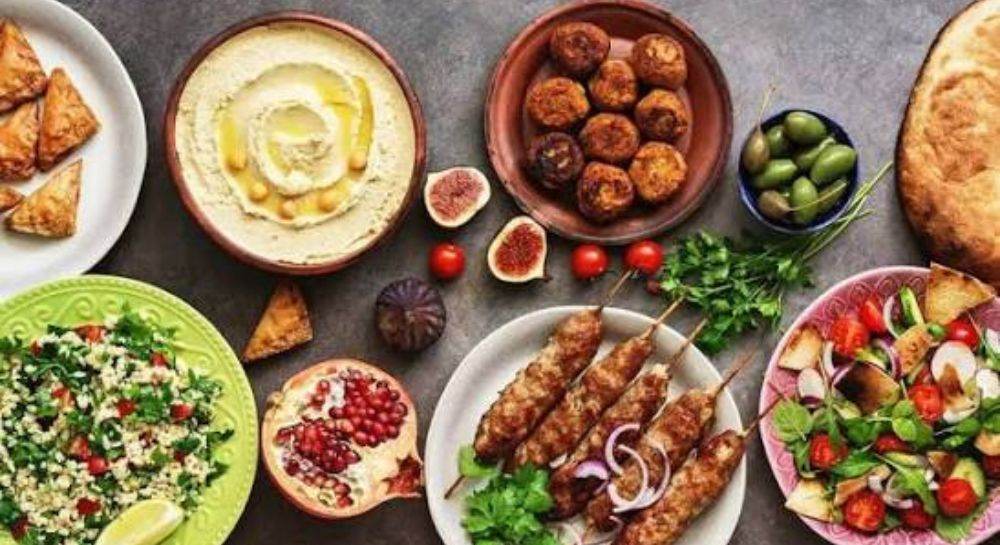
From Preparation to your Order
Browse the menu to see current dishes, or use the halal food delivery and takeaway pages to choose how you want to order in Melbourne’s west.