Nihari vs Haleem: What Is the Difference?
If you are deciding what to order, the useful question is not how many times a menu can repeat the word halal. It is how the dish, service or ordering choice actually works. This guide breaks down nihari vs haleem in practical terms so you can choose food with more confidence.
They are both slow-cooked, but the texture is completely different
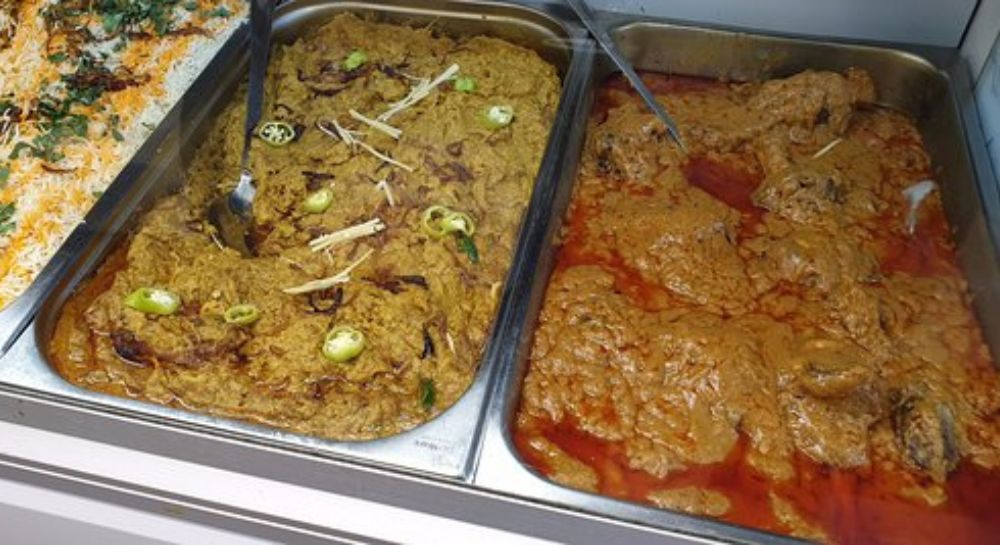
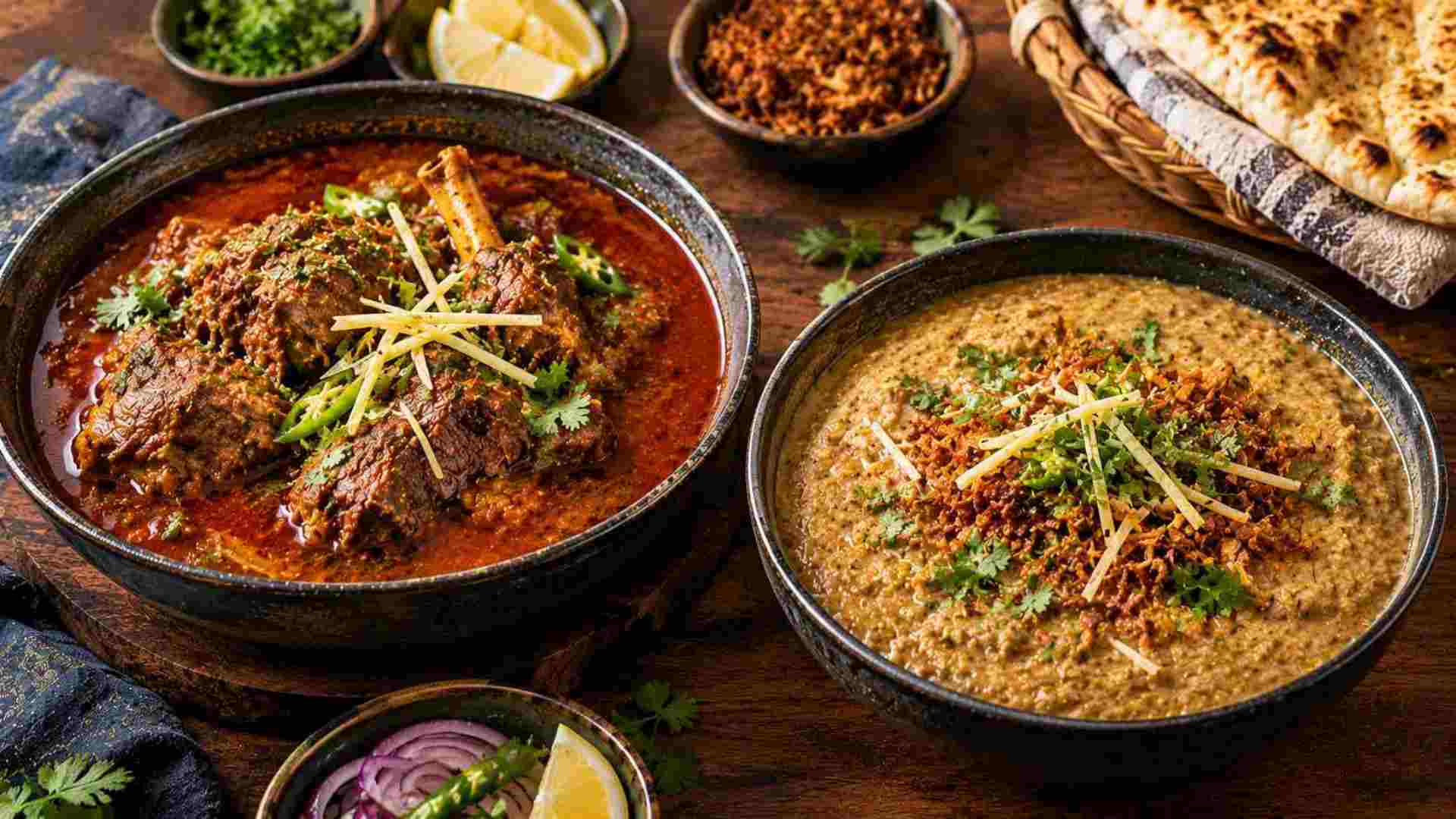
Nihari and haleem are sometimes grouped together because both are rich, traditional dishes that reward slow cooking. But they are not interchangeable. Nihari is a meat stew with a defined gravy; haleem blends meat, lentils and grains into one thick texture.
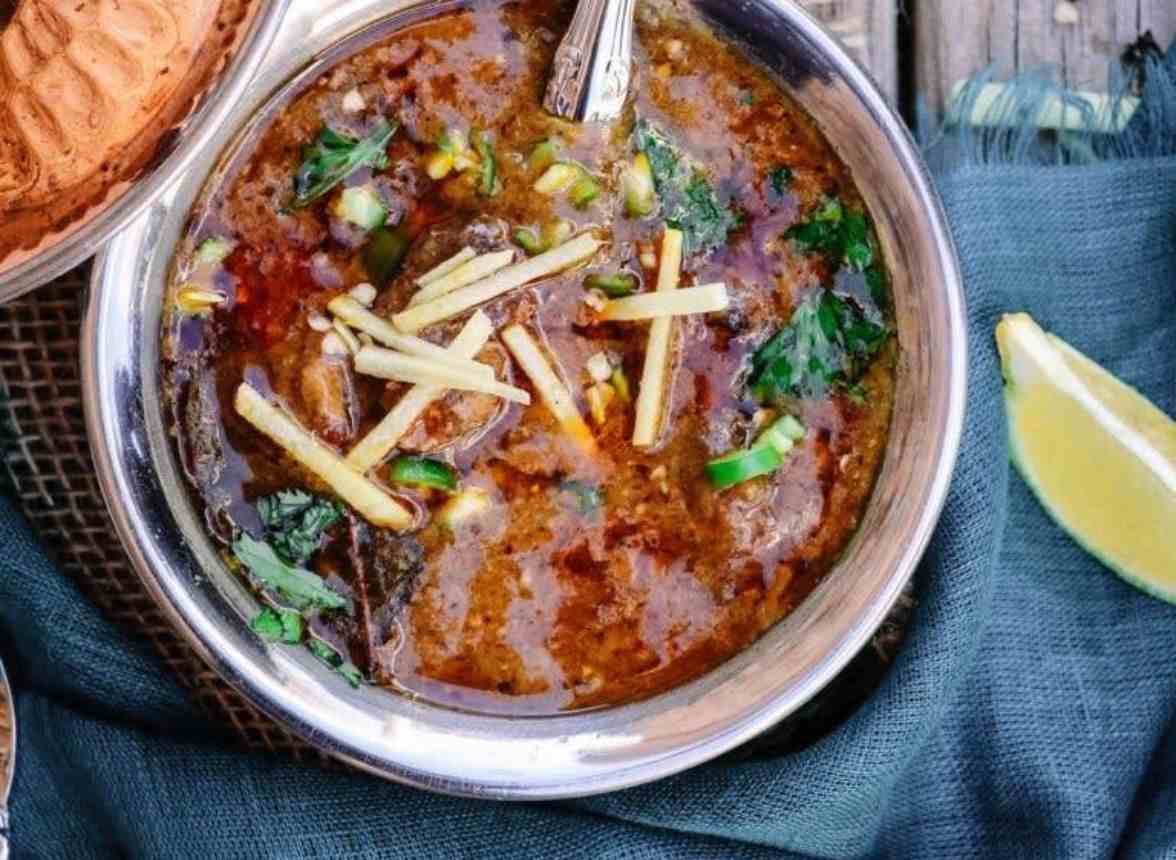
Nihari keeps the meat and gravy distinct
In nihari, you can identify the pieces of meat and the surrounding gravy. The dish is commonly eaten with bread, and fresh ginger, lemon or chilli can be added at the table.
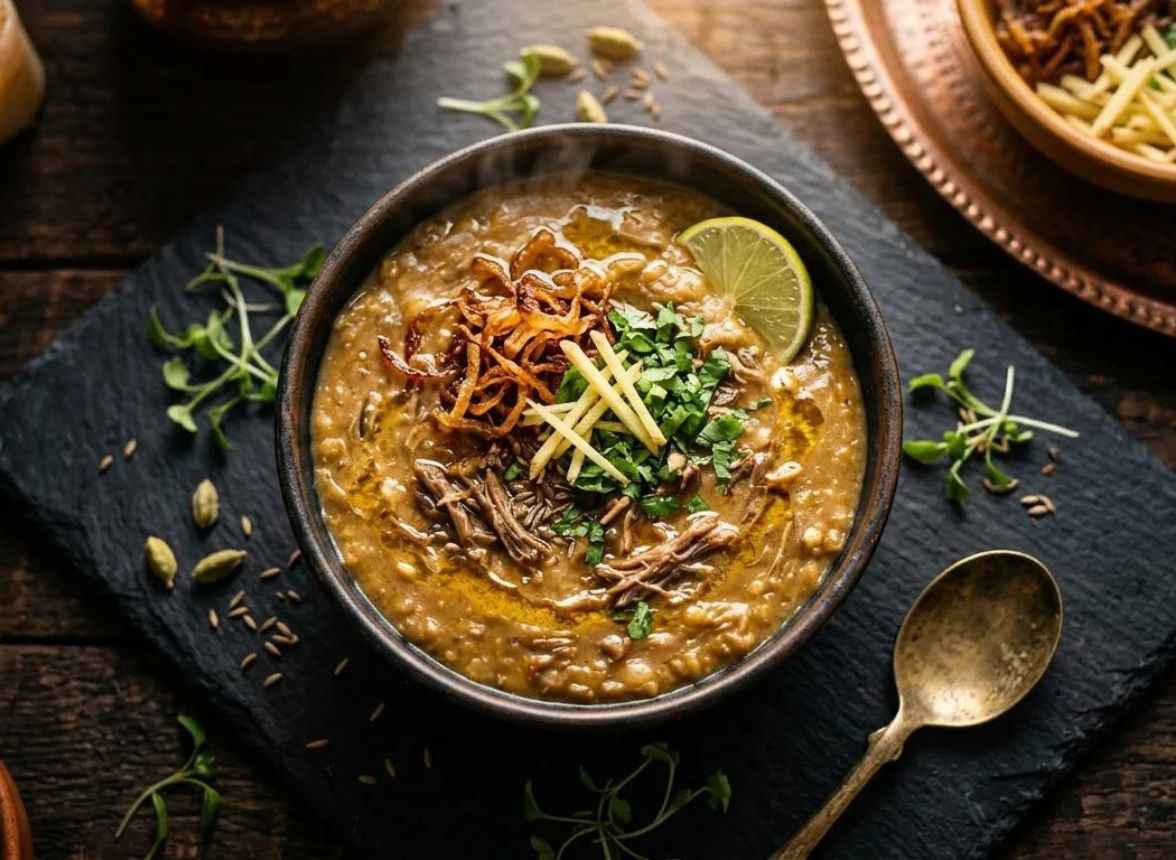
Haleem combines the ingredients into one body
Haleem is worked until the meat, grains and lentils form a cohesive mixture. The interest comes from that dense texture plus toppings such as fried onion, lemon and green chilli.
Which should you order?
Choose nihari if you want a rich stew with defined meat. Choose haleem if you want a thick, spoonable dish where grains, lentils and meat are integrated.
Practical Takeaway
Use this guide as a decision tool rather than a rulebook. Menus, recipes, availability and service conditions can change, so check the current menu or contact Melbourne Halal Kitchen before relying on a specific item, delivery time, event service or dietary accommodation.
Frequently Asked Questions
Is haleem heavier than nihari?
Haleem can feel more filling because it contains grains and lentils as well as meat, but serving size matters.
Do both dishes go with naan?
Yes, naan can work with either, though haleem is also commonly eaten by the spoon.
Are nihari and haleem spicy?
Both are highly seasoned, but chilli heat varies by recipe and serving preferences.