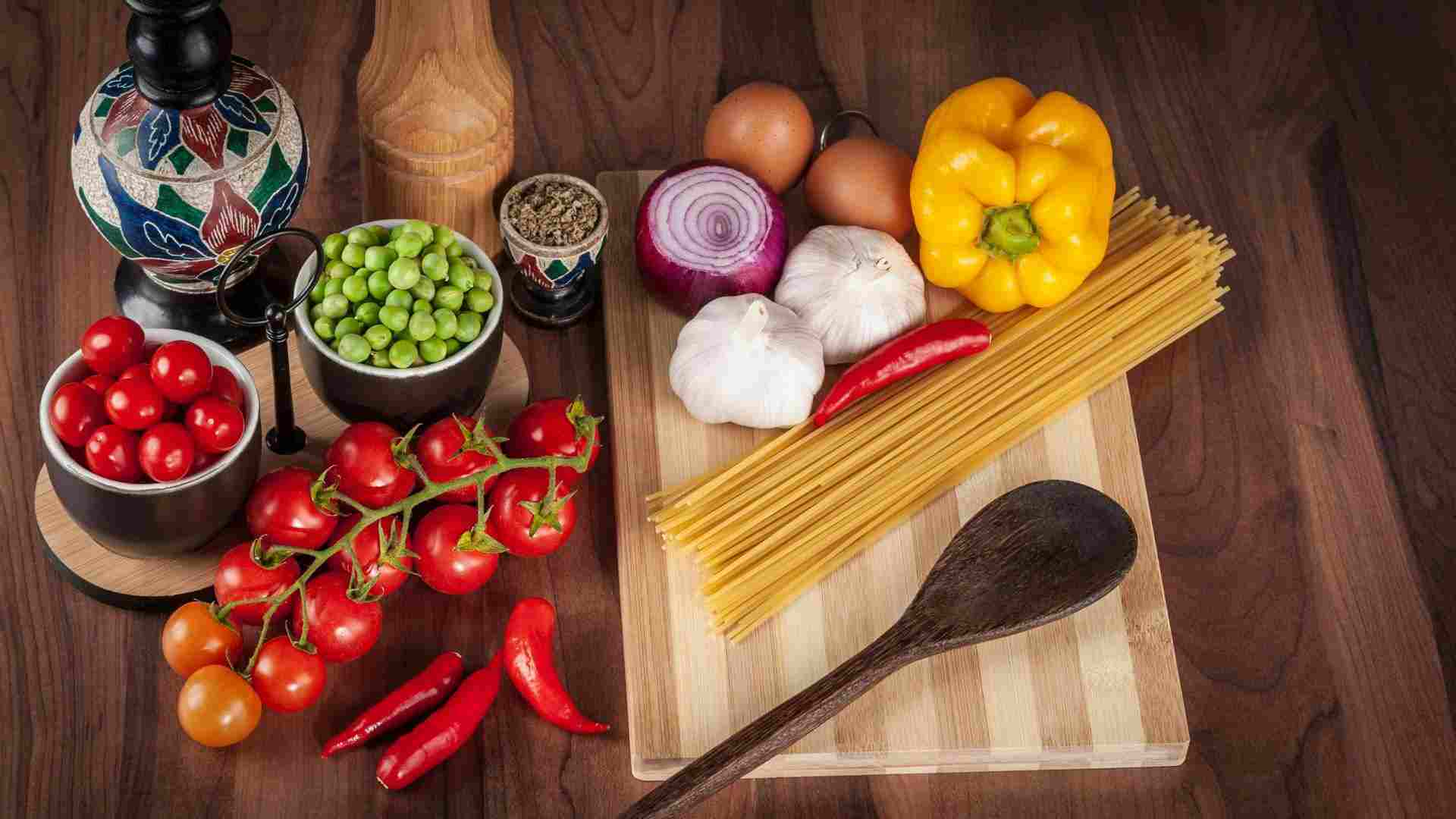
Alcoholic beverages and intoxicants are not halal. The more complicated question is what happens when the word “alcohol” appears in food manufacturing, flavouring, extracts or trace processing ingredients. That is where simple internet answers often become misleading.
Different halal authorities and certification standards can apply detailed rules based on the source, purpose and concentration of ethanol. For that reason, a food business should follow the standard relevant to its certification or halal policy, while an individual seeking a religious ruling should consult a qualified authority they trust.
QUICK ANSWER
Alcoholic drinks and intoxicants are prohibited. Some halal authorities distinguish those from limited uses of ethanol in flavourings or processing under specific conditions. Because standards can differ, check the product, source and certifier rather than relying on a blanket “all alcohol is the same” rule.
Alcoholic Drinks Are the Clear Case
Wine, beer, spirits and other intoxicating beverages are not halal. A dish prepared with wine, beer or spirits should not be assumed halal simply because it has been cooked.
For a halal kitchen, the safest operational approach is to define an ingredient policy and follow the requirements of the certifier or religious authority relevant to the business.
Why Food Ingredients Can Be More Complicated
Ethanol can appear in food manufacturing for reasons other than being consumed as an alcoholic drink. It may be used as a carrier or solvent in flavourings and extracts. Some authorities publish thresholds and source conditions for specific uses, while others may apply different requirements.
For example, Singapore’s MUIS has published a specific religious opinion allowing certain ethanol used as a flavouring solvent under defined source and concentration limits. That example shows why it is inaccurate to treat every technical use of ethanol as identical to an alcoholic beverage — and also why one authority’s thresholds should not automatically be copied into another certifier’s policy.
What About Vanilla Extract and Flavourings?
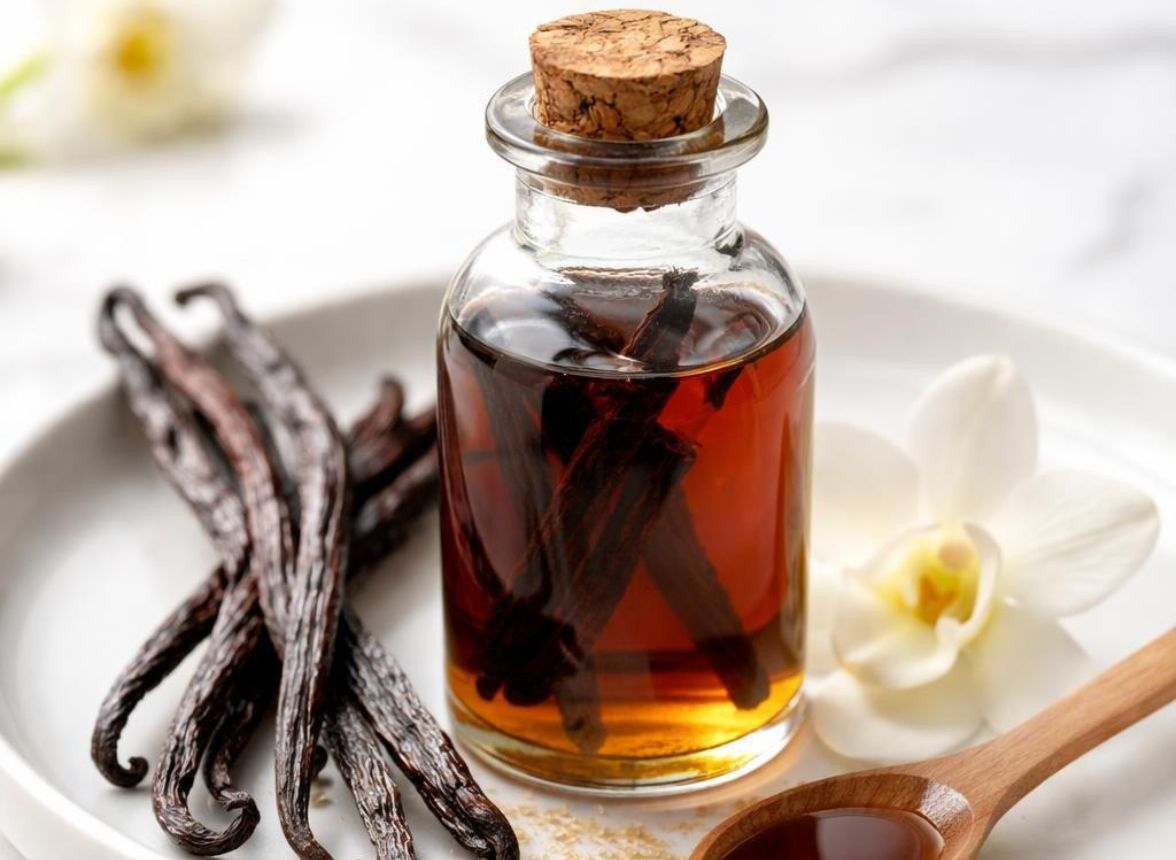
Some extracts and flavourings use ethanol during production. Their halal status can depend on the formulation, ethanol source, final concentration and standard being followed. A label that says “natural flavour” may not provide enough detail on its own.
For packaged products, consumers can look for reliable halal certification or contact the manufacturer. For a food business, ingredient specifications from suppliers are more useful than guessing from the product name.
Does Cooking Burn the Alcohol Off?
Do not use “the alcohol cooks off” as a blanket halal rule. Cooking time and method affect how much alcohol remains, but halal permissibility is not determined only by the final percentage left in a dish. The original ingredient and the standard being followed also matter.
From a content perspective, the website should avoid giving a personal fatwa. Explain the issue, identify the need for product-specific verification and direct religious questions to a qualified authority.
How a Halal Kitchen Should Handle Alcohol-Related Ingredients
- Do not use alcoholic beverages in recipes presented as halal.
- Check extracts, flavourings and sauces that may use ethanol or alcohol-containing ingredients.
- Keep product specifications for higher-risk ingredients.
- Follow the rules of the halal certifier or authority relevant to the business.
- Re-check ingredients when brands or suppliers change.
- Answer customer questions precisely instead of making a blanket claim that no ingredient anywhere contains any form of alcohol unless that claim has been verified.
When to Ask a Certifier or Religious Authority
If the question is about a specific product, certification body or religious ruling, go to the relevant authority. Consumers in Victoria can use Islamic Council of Victoria referral information to verify halal certification services, while businesses should follow their own certifier’s requirements if they are formally certified.
Frequently Asked Questions
Is wine in cooking halal if it is heated?
Do not assume so. Alcoholic beverages are prohibited, and cooking does not automatically make a wine-based recipe halal.
Is vanilla extract halal?
It depends on the product and the standard being followed. Some extracts use ethanol, so check certification, formulation or guidance from the relevant halal authority.
Are all food flavourings with ethanol haram?
Different halal authorities can have specific rules for ethanol used as a processing or flavouring solvent. Product-specific verification is safer than a universal answer.
Can I rely on the percentage of alcohol alone?
Not necessarily. Source, purpose and the applicable halal standard can matter as well as concentration.
Does Melbourne Halal Kitchen cook with alcohol?
This should only be stated publicly after the business verifies its complete ingredient and recipe policy. Contact the kitchen directly if you need confirmation before ordering.
Ask About Current Vegetarain Options
View the latest menu and contact Melbourne Halal Kitchen if you need a vegetarian option or want an ingredient checked before you order.