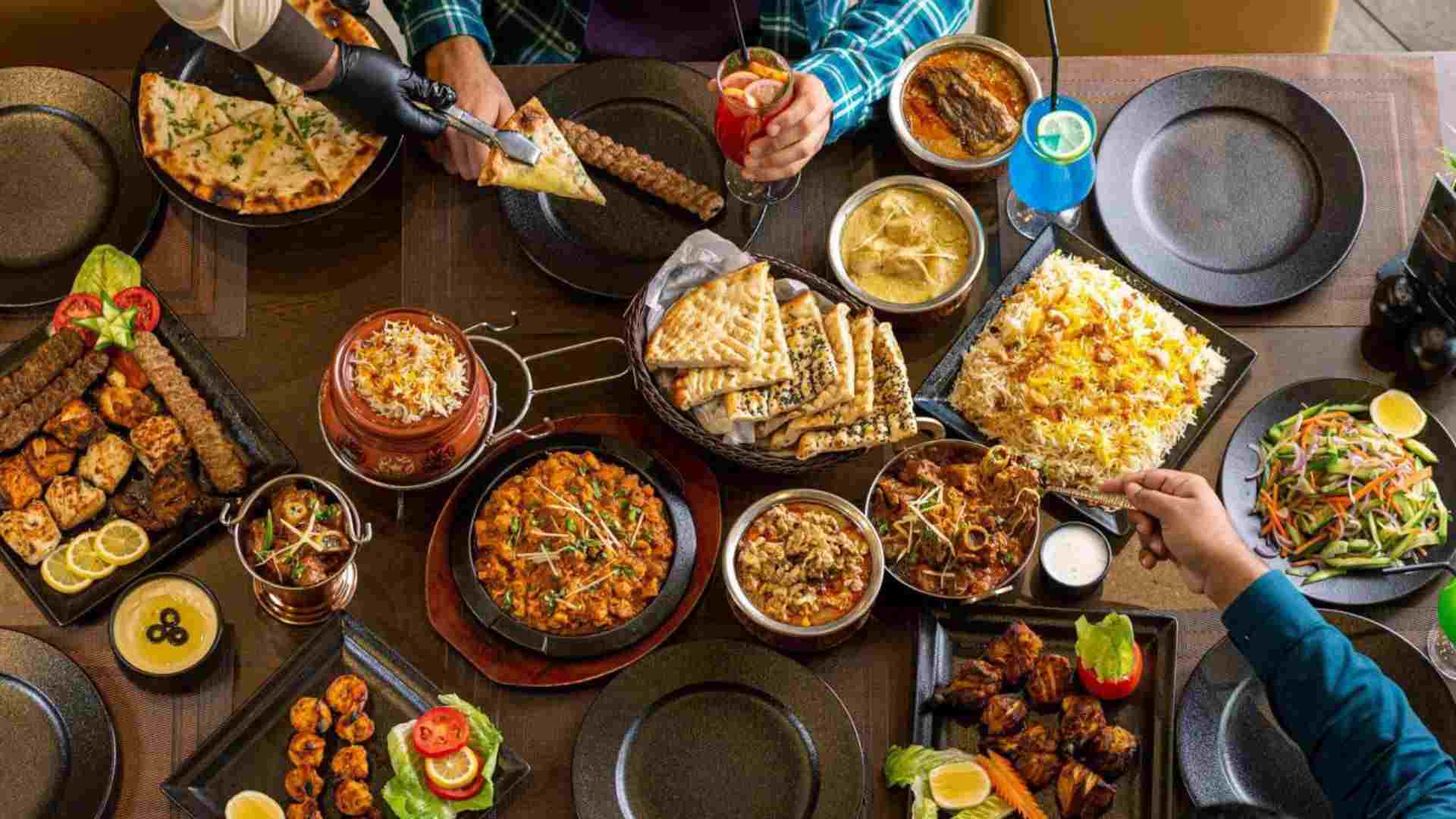
A halal kitchen is a food-preparation environment organised so that the ingredients, handling and cooking processes support halal dietary requirements. The idea goes beyond serving halal meat. A kitchen also needs to consider the source of ingredients, how food is stored, what equipment touches it and whether non-halal substances can mix with halal food during preparation.
There is no single global certification rulebook used by every authority. Exact certification requirements can differ, but the core objective is consistent: maintain the halal integrity of food from ingredient selection through preparation and service.
QUICK ANSWER
A halal kitchen uses halal-suitable ingredients and manages preparation, storage, utensils and food handling to prevent non-halal substances from compromising the food. Formal halal certification adds a separate verification layer and should only be claimed when a current certificate exists.
The Core Parts of a Halal Kitchen
| Area | What It Means in Practice |
|---|---|
| Ingredients | Meat, sauces, fats, flavourings, gelatine and other ingredients are checked for halal suitability. |
| Storage | Food is stored so that halal ingredients are protected from contamination or mixing with non-halal products. |
| Utensils and equipment | Tools and food-contact equipment are managed so they do not introduce prohibited substances into halal food. |
| Preparation | Recipes and cooking methods avoid prohibited ingredients and maintain separation where needed. |
| Supply chain | Businesses keep enough supplier information to understand where higher-risk ingredients and meat come from. |
| Verification | If formal certification is claimed, the certification status should be current and traceable to the certifying body. |
Ingredient Control Comes First
A kitchen cannot protect halal integrity if the ingredients themselves are uncertain. Meat and poultry usually receive the most attention, but processed ingredients can also matter. Gelatine, animal fats, enzymes, stocks, sauces, desserts and flavourings may require source checks.
A practical kitchen system therefore keeps product information organised. When a supplier changes a recipe or a product is replaced, the substitute should be checked rather than assumed to have the same status.
Why Utensils, Surfaces and Storage Matter
Recognised halal guidance commonly addresses contact between halal food and non-halal substances. That is why kitchens may use dedicated storage, utensils, preparation areas or cleaning procedures depending on the operation and certification standard.
For a kitchen that handles only halal food, the system may be simpler. For a mixed kitchen, control becomes more important because ingredients, fryers, grills, chopping boards, knives, containers and storage areas can create cross-mixing risks.
Halal Kitchen vs Halal-Certified Kitchen
A business may describe its food as halal, while a halal-certified kitchen has undergone a formal process with a certifying organisation. These are not interchangeable claims.
Certification may involve application review, document checks, supplier information, product assessment and site audits, depending on the certifier and scheme. Consumers who rely on formal certification should verify the certifier and certificate status directly.
What About Cleaning and Food Safety?
Halal controls and general food-safety controls overlap in some practical areas, such as cleanliness, storage and preventing contamination, but they are not the same system. A halal claim does not automatically prove compliance with every food-safety program, and a food-safety program does not automatically establish halal status.
Website content should keep those concepts separate. If the kitchen follows documented food-safety procedures, describe the procedures accurately. Do not use “halal”, “HACCP”, “certified” and “audited” as interchangeable trust words.
What Customers Can Ask a Halal Kitchen
- Where does your meat or poultry come from?
- Do you use any pork, lard or non-halal meat in the kitchen?
- Do sauces, desserts or flavourings contain alcohol or animal-derived ingredients?
- Is the business formally halal certified? If yes, by which organisation?
- How do you manage preparation if non-halal products are handled on site?
- Can you confirm ingredients for allergies or vegetarian requirements separately from halal status?
That gives customers more useful information than vague phrases such as “100% compliant” or “strictest standards” without evidence. See how our kitchen works.
Frequently Asked Questions
Does a halal kitchen have to be certified?
Certification is a separate formal verification process. Whether a customer requires certification may depend on their own standard of assurance. A business should not claim certification unless it holds a current, verifiable certificate.
Can a kitchen prepare halal and non-halal food?
Some operations do, but they need controls appropriate to the halal standard or certifier being followed so that prohibited substances do not compromise halal food.
Are separate utensils always required?
Requirements can depend on what else the kitchen handles and the relevant certifier or religious guidance. The key issue is preventing prohibited contamination or mixing.
Is a vegetarian kitchen automatically a halal kitchen?
No. Vegetarian food removes meat from the equation, but alcohol, animal-derived additives, processing aids and other ingredients can still require checking.
Is halal the same as food safety certification?
No. Halal addresses religious permissibility. Food-safety systems address hygiene and safety. A kitchen may need to manage both, but one does not automatically prove the other.
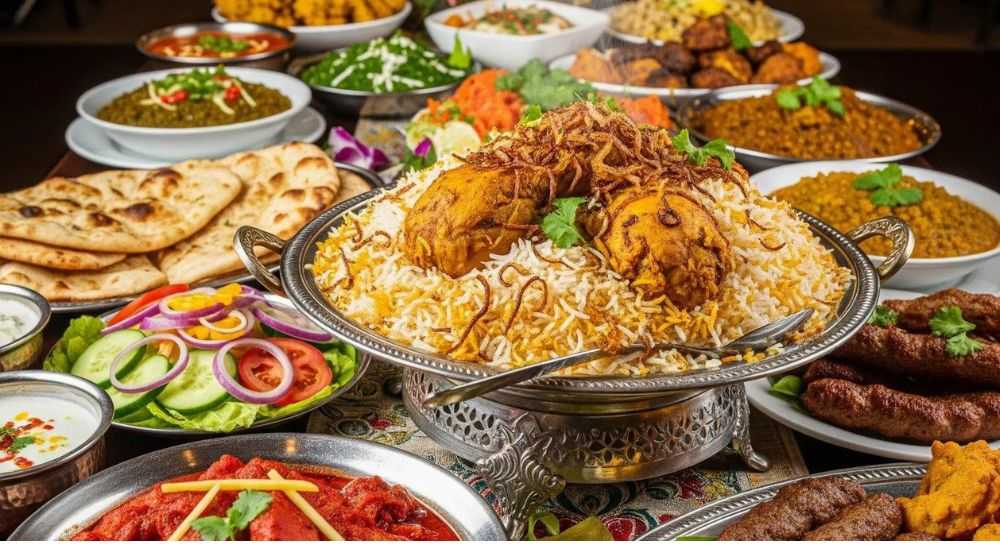
See What the Kitchen Serves
Explore Melbourne Halal Kitchen’s current menu, then use the delivery, takeaway or catering pages for ordering information. For ingredient-specific questions, contact the kitchen before ordering.