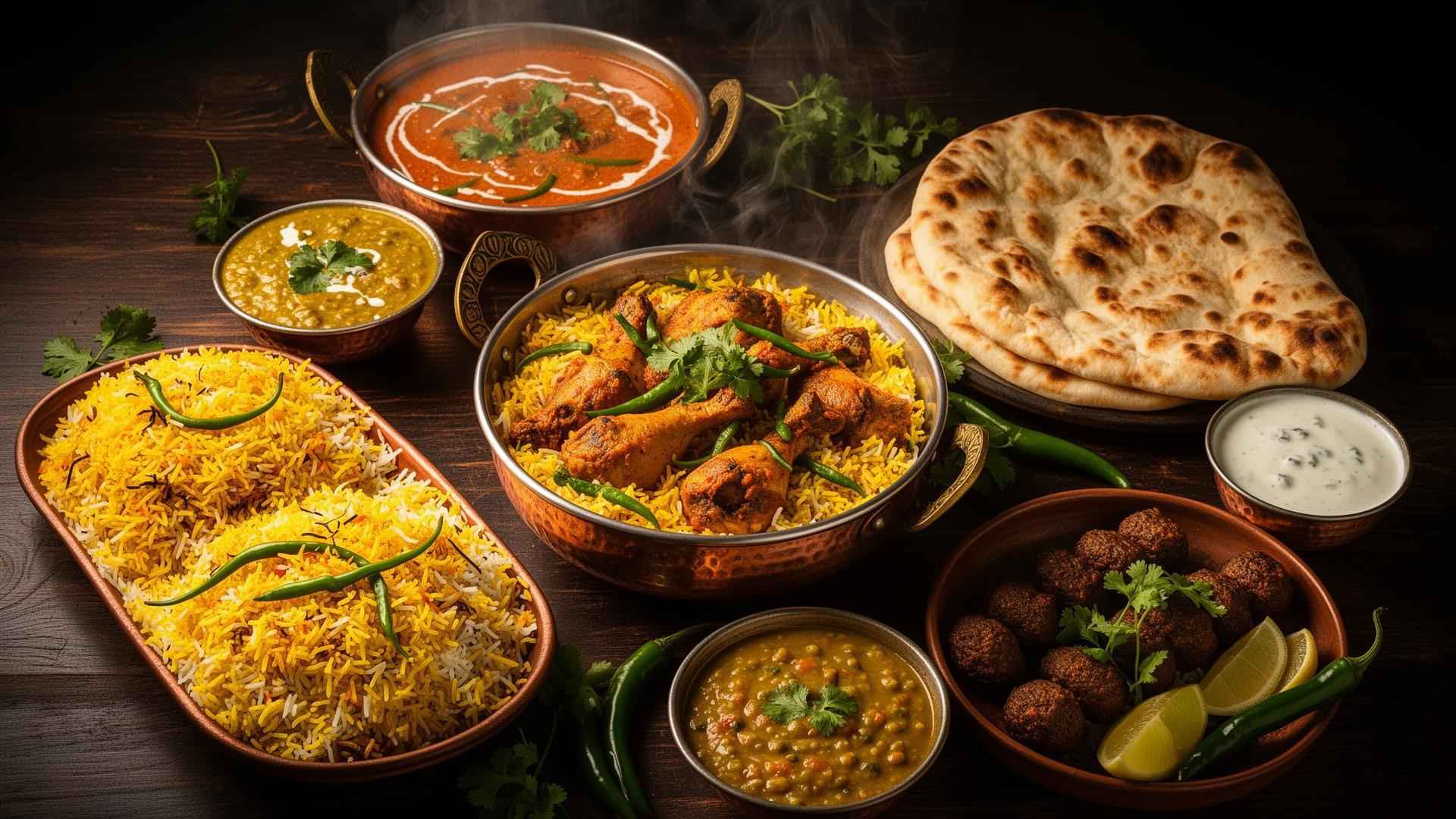
Halal food is food that is permitted under Islamic dietary principles. The Arabic word “halal” means lawful or permissible, while “haram” refers to what is prohibited. For everyday eating, the idea is broader than simply avoiding pork: the ingredients, source of meat, preparation process and possible contact with non-halal substances can all matter.
For customers, the practical question is usually simple: can this food be eaten with confidence? A useful answer therefore looks at the whole product or meal rather than one ingredient in isolation.
QUICK ANSWER
Halal food is food and drink considered permissible in Islam. Common concerns include pork and pig-derived ingredients, intoxicating drinks, blood, meat that does not meet halal requirements, and contamination or mixing with non-halal substances. Processed foods can require extra checking because ingredients such as gelatine, enzymes, flavourings and fats may come from different sources.
What Does “Halal” Mean in Food?
In food, halal describes what is permissible to consume. Recognised halal authorities commonly distinguish between clearly permissible foods, clearly prohibited foods and ingredients or products whose status may be uncertain until their source or production method is known.
Many foods are straightforward: fruit, vegetables, grains, legumes and other plant foods are generally simple from an ingredient perspective. Meat, processed foods, sauces, desserts and packaged products often need more attention because their ingredients and manufacturing processes can involve animal-derived substances, alcohol-based ingredients or shared equipment.
Common Food Categories That Need Attention
| Category | What to Check |
|---|---|
| Meat and poultry | Whether the animal and slaughter process meet the halal standard being followed, and whether the product has reliable halal verification where required. |
| Pork and pig-derived ingredients | Pork, lard, bacon, ham and pig-derived gelatine are not halal. |
| Alcohol and intoxicants | Alcoholic drinks are prohibited. Some food ingredients involving ethanol or flavouring solvents can be treated differently by different authorities and certification standards, so product-specific verification matters. |
| Gelatine, enzymes and emulsifiers | Their halal status can depend on whether the source is plant, microbial or animal and, if animal-derived, what that source is. |
| Prepared and processed food | Check both ingredients and preparation, including possible cross-mixing with non-halal food or equipment. |
This is why a product can look vegetarian or contain no obvious pork yet still need further checking. The source and processing of some ingredients are not always clear from the front of the package.
Is Halal Only About Meat?
No. Meat is an important part of halal food discussions, but halal applies to the meal as a whole. Sauces, marinades, desserts, cooking fats, flavourings, additives and preparation surfaces can all affect whether a finished dish meets the halal standard a customer follows.
For a kitchen, this means halal practice is not simply a purchasing decision. Ingredient control, storage, utensils, food handling and preventing cross-mixing with non-halal substances are also relevant.
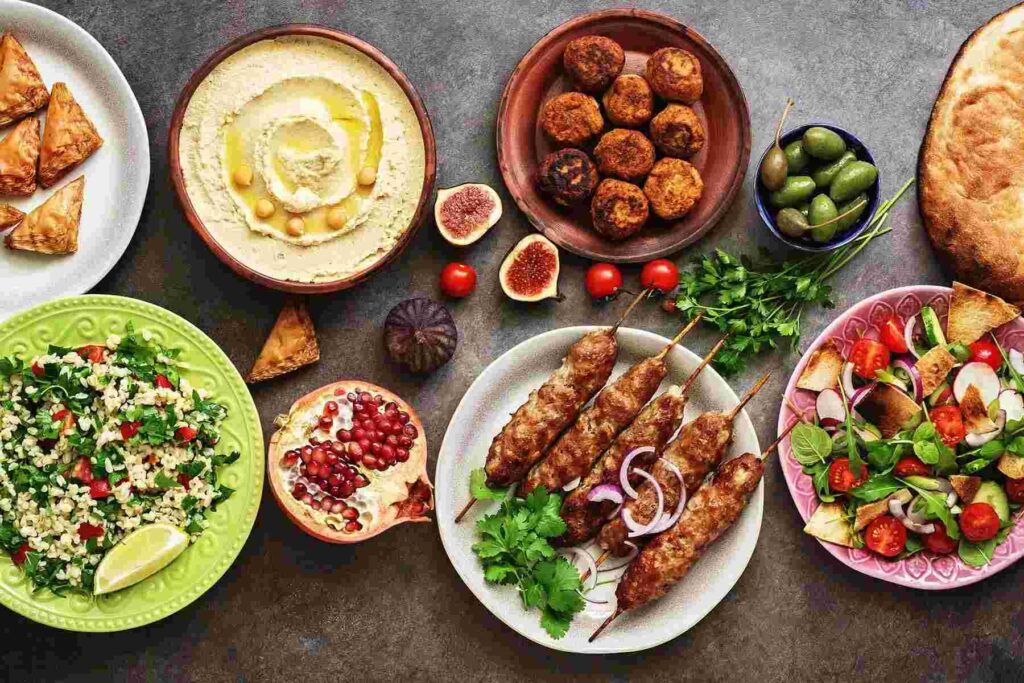
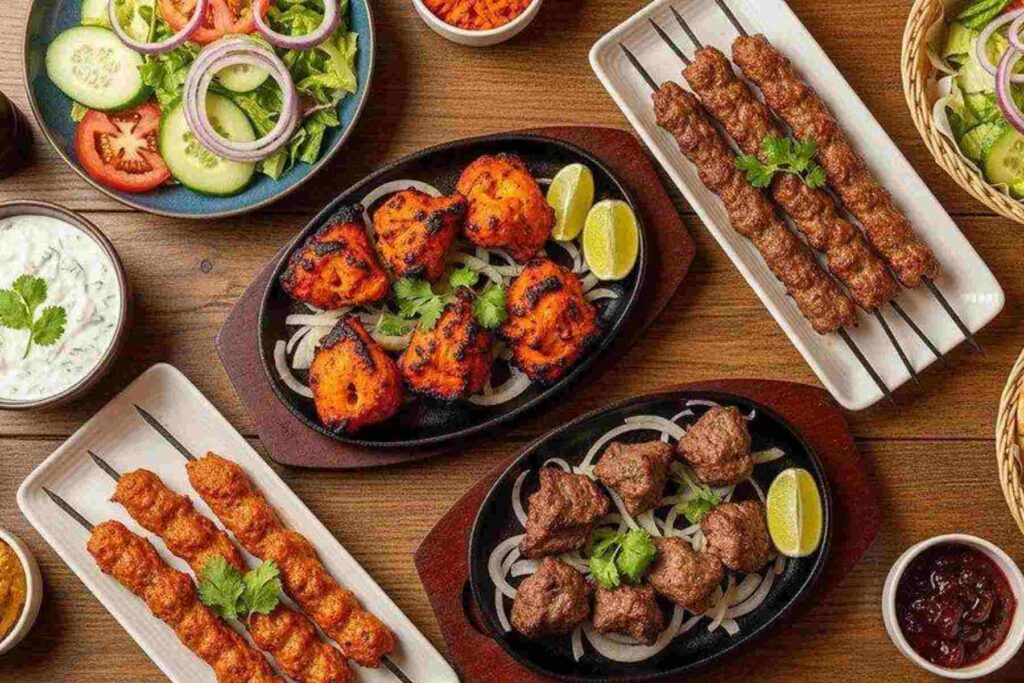
Halal Certification, Verification and Labels
Halal certification is a formal verification process carried out by a certifying body according to its own requirements. Certification can help customers identify products or businesses that have been assessed against a defined standard, but customers should still check which organisation issued the certification and whether it is current.
A halal claim and a halal certificate are not the same thing. If a restaurant, product or supplier claims formal certification, the safest approach is to confirm the certifier and certificate status rather than relying only on a logo, menu description or social-media statement.
What Is the Difference Between Halal and Haram?
Halal means permitted; haram means prohibited. In food, common prohibited categories include pork and pig products, blood, intoxicants, and meat that does not satisfy the halal requirements being followed. Some ingredients fall into a grey area because their source is unclear, so customers may look for certification or contact the manufacturer or supplier for clarification.
The practical lesson is that halal status is based on more than a food name. A “cake”, “burger” or “sauce” can be halal or non-halal depending on its ingredients and preparation.
How to Check Whether Food Is Halal
- Read the full ingredient list rather than relying only on the product name.
- Look for a halal certification mark from a recognised certifying body where certification is relevant.
- Check unclear animal-derived ingredients such as gelatine, enzymes, fats and flavourings.
- Ask how meat and poultry are sourced when buying prepared food.
- For restaurants or kitchens, ask about preparation and cross-contact if that matters to your level of observance.
- If a religious ruling is unclear, seek guidance from a qualified Islamic authority rather than treating a marketing statement as religious advice.
Halal Food at Melbourne Halal Kitchen
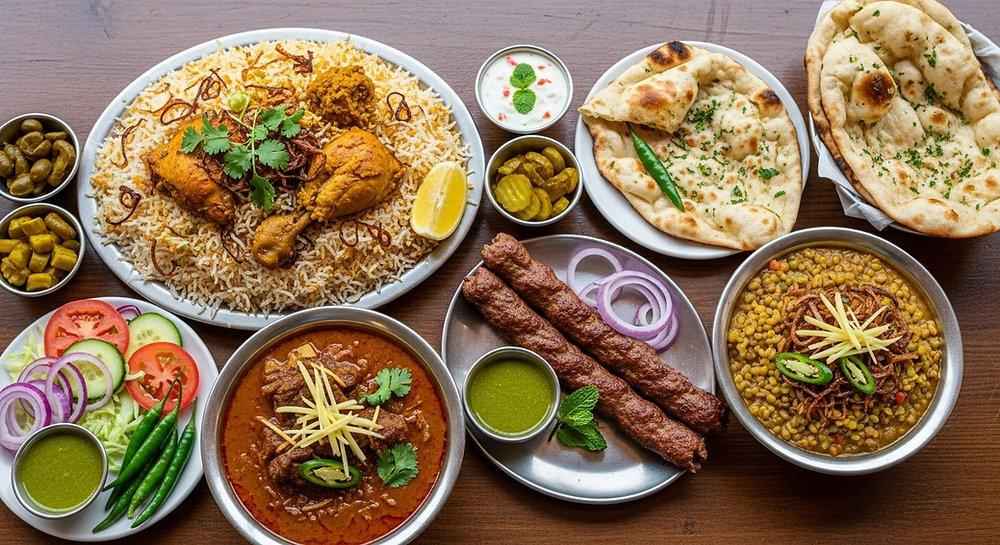
Melbourne Halal Kitchen is positioned around halal food prepared for takeaway, delivery, family orders and catering in Melbourne’s west. The menu includes Pakistani dishes, biryani, BBQ and grilled items, burgers, rice dishes, sides and desserts.
The strongest content is precise about what is known rather than making broad claims that cannot be demonstrated.
Frequently Asked Questions
What does halal mean?
Halal is an Arabic term meaning lawful or permissible. In food, it refers to food and drink that meet Islamic dietary requirements.
Is all vegetarian food automatically halal?
Not necessarily. A vegetarian product can still contain alcohol-based flavourings, animal-derived processing aids or other ingredients that require checking, and preparation practices may also matter.
Does halal only apply to meat?
No. Halal status can involve ingredients, drinks, sauces, desserts, cooking fats, processing and preparation as well as meat.
How can I check if a halal certificate is genuine?
Identify the certifying body and use its official verification channel or contact the organisation directly. The Islamic Council of Victoria, for example, directs Victorian consumers to check certification through the relevant certifier.
Is halal food healthier?
Halal describes religious permissibility, not a nutritional rating. A halal meal can be nutrient-dense or indulgent just like any other cuisine, depending on ingredients, portions and preparation.
Explore the Menu
Ready to choose your meal? View the current Melbourne Halal Kitchen menu for biryani, Pakistani dishes, BBQ, burgers, sides and family options, then check delivery or takeaway availability for your area.